Germany Study Visa Guide – Complete Step-by-Step Guide
Planning to study in Germany? This Germany Study Visa Guide gives you a clear, student-friendly overview of the complete process – from eligibility, documents and visa application steps to part-time work options and long-term pathways in Europe. Whether you are interested in engineering, IT, business, hospitality or skill-based programs, this guide will help you understand how the Germany student visa works and how MakeStudy™ can support you at every stage.
1. Why Choose Germany for Your Higher Education?
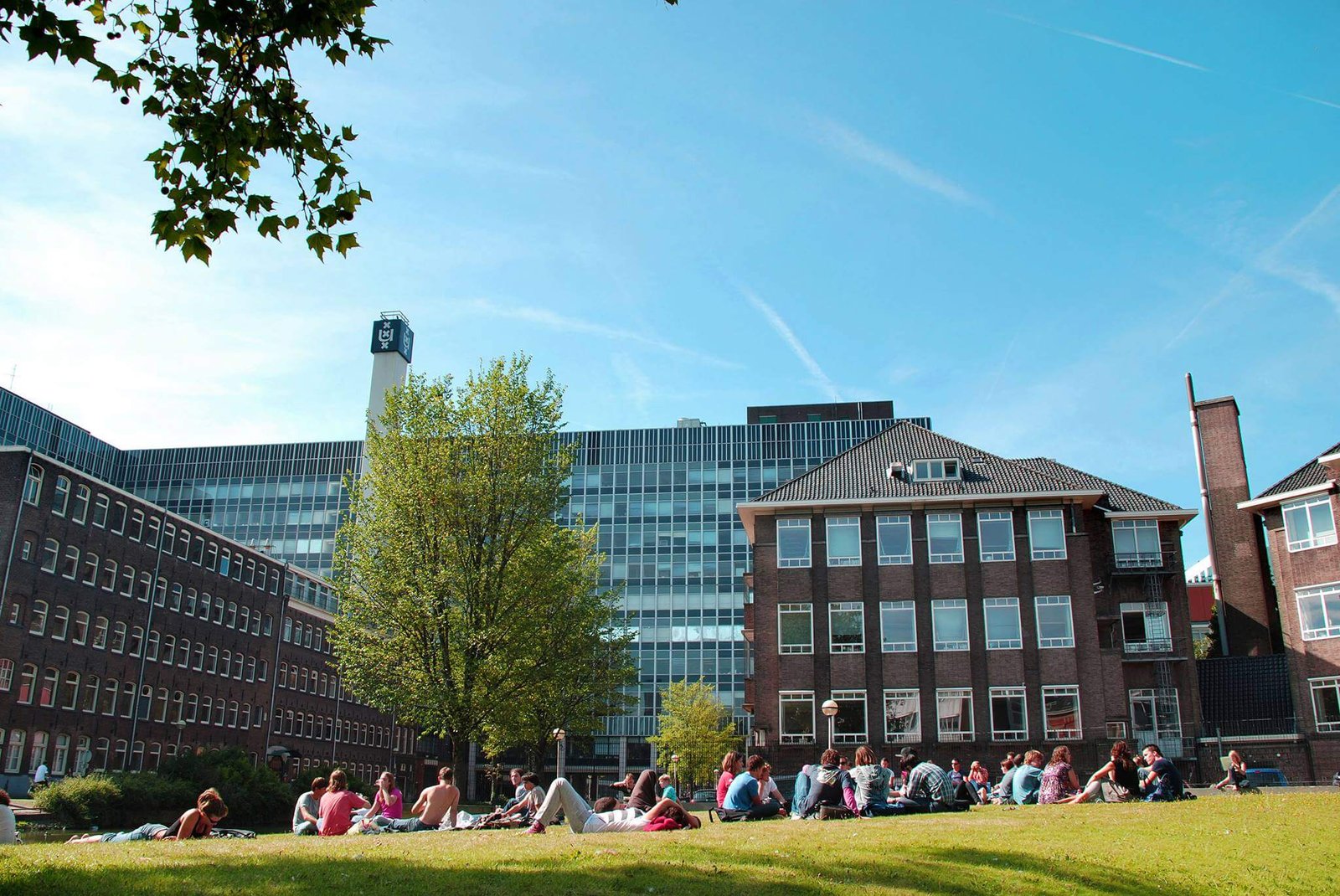
Germany is one of Europe’s most advanced, safe and education-focused countries. It offers high-quality education with a strong focus on practical skills, innovation, research and real-world projects. For students from India and other countries, it is a great option to gain a recognised European degree and build a long-term international career.
- Globally recognised public and private universities and universities of applied sciences.
- Hundreds of English-taught programs in engineering, IT, business, hospitality, healthcare and more.
- Safe, modern and dynamic cities like Berlin, Munich, Frankfurt, Hamburg and Cologne.
- Excellent public transport, infrastructure and high quality of life.
- Located in the heart of the Schengen Area, offering wider European exposure.
2. What Is the Germany Study Visa / Residence Permit for Study?
To study in Germany as a non-EU/EEA student, you generally need a national visa (D visa) for study to enter the country and then a residence permit for study after arrival. The visa is usually issued by the German Embassy or Consulate in your home country.
After you arrive in Germany, you must register locally and apply for/collect your residence permit at the relevant Foreigners’ Office (Ausländerbehörde) to legally continue your studies.
3. Types of Germany Study Visas
- National Visa (Long-Term – D Visa): For full-time bachelor, master, foundation, preparatory college (Studienkolleg), diploma and certain vocational or applied programs at recognised German institutions.
- Short-Term / Language or Preparation Courses: For short programs, language courses or summer schools, different categories and durations may apply.
Most international students coming for full-time degree or long-term diploma programs will require a long-term national visa for study followed by a residence permit in Germany.
4. Eligibility Requirements for the Germany Study Visa
Exact conditions depend on your course and institution, but in general you must:
- Have a valid admission letter or conditional admission from a recognised German university or university of applied sciences.
- Be enrolled in a full-time program that meets official German study requirements.
- Hold a valid passport with sufficient validity for the duration of your stay.
- Meet the institution’s academic and, where applicable, English/German language criteria.
- Show that you can financially support your studies and living expenses (often via a blocked account or acceptable financial proof).
- Provide all documents required by the German Embassy/Consulate for the student visa process.
5. Documents Required for Germany Study Visa
The final checklist will come from the German Embassy/Consulate and your institution, but you should be prepared with:
- Valid passport (with sufficient validity and blank pages).
- Admission letter / confirmation from the German institution (or conditional admission / preparatory course letter).
- Educational certificates and transcripts (10th, 12th, diploma/degree as applicable).
- Proof of financial resources (e.g. blocked account confirmation, sponsorship, or other acceptable proof as per embassy guidelines).
- Proof of health insurance (travel and/or German statutory/private insurance, depending on stage).
- Passport-size photographs as per German visa photo specifications.
- Completed visa application forms and declarations.
- Language certificates (e.g. IELTS/TOEFL for English-taught, or German language proof where required).
- Any additional documents requested by the German Embassy/Consulate in your country.
6. Step-by-Step Germany Study Visa Process
- Choose your course and institution in Germany (engineering, IT, business, hospitality, etc.).
- Submit your application with academic documents, language test scores (if required) and other details.
- Receive admission or conditional admission/offer from the German institution.
- Arrange your financial proof (e.g. blocked account, scholarship, sponsor documents) as per German requirements.
- Book an appointment at the German Embassy/Consulate or VFS (where applicable) and prepare your complete visa file.
- Attend the visa interview / submission, pay the visa fee and submit biometrics (if required).
- Wait for visa decision – processing times can vary, so it is important to apply well in advance of your intake.
- On approval, collect your visa, travel to Germany, register your address and apply for/collect your residence permit.
MakeStudy™ supports you throughout the entire process – from course selection and documentation to planning your visa file in line with the current Germany study visa requirements.
7. Germany Study Visa Fees (Approximate Overview)
The exact fees for a Germany national visa for study are set by the German authorities and can change over time. In general, you should budget for:
- A visa application fee payable to the German Embassy/Consulate.
- Costs for setting up a blocked account (if used) and related bank charges.
- Costs for health insurance, travel insurance and courier or VFS service charges, if applicable.
For the latest fee structure, MakeStudy™ will guide you and also direct you to official German sources so you always have up-to-date information.
8. Can You Work While Studying in Germany?
Many international students in Germany take up part-time jobs to gain experience and support their living costs. Germany allows work during studies under specific conditions.
- Non-EU/EEA students are typically allowed to work up to a limited number of days per year (e.g. 120 full days or 240 half days – as per prevailing rules).
- Your main purpose in Germany must remain full-time study, and work should not interfere with your academics.
- Some internships that are part of your course may be treated differently from regular part-time jobs.
Because rules can change, MakeStudy™ always encourages students to check the latest official guidance and follow the instructions of their university and local authorities.
9. Study → Work Pathway After Graduation in Germany
One of the main reasons students choose Germany is the potential to build a long-term career in Europe after graduation.
- Complete your bachelor’s, master’s or diploma program in Germany.
- Gain practical experience through internships, practical semesters or working student roles.
- After graduation, you may be eligible to apply for a post-study residence permit (often up to 18 months) to search for suitable employment.
- Once you receive a qualifying job offer that meets salary and other requirements, you may move to a work-based residence permit (such as an EU Blue Card or other employment permit, depending on profile).
While no work visa or residence route can be guaranteed, students who build strong academic profiles, gain relevant skills and experience, and improve their language proficiency generally have better chances of long-term success.
10. Is a Work or Residence Permit Guaranteed After Study?
No country can promise a guaranteed work or residence permit. Germany is clear and rules-based – decisions are based on official criteria, job offers, salary levels and current immigration policy.
Your chances improve significantly if you:
- Choose a relevant, in-demand field such as engineering, IT, healthcare, business or hospitality.
- Maintain strong academic performance and attendance.
- Develop good English and, wherever possible, German language skills.
- Use internships and projects to build a solid CV and professional network.
11. Why Students Choose Germany Through MakeStudy™
- Guidance to select career-oriented programs in recognised German institutions.
- Support with application, documentation and timelines for Germany study visa.
- Transparent counselling on tuition fees, living costs and realistic career outcomes.
- Assistance with planning internships, skill development and long-term goals.
- Ethical, student-centric advice focused on genuine study and career pathways in Europe.
Need Help With Your Germany Study Visa?
If you are serious about studying in Germany and want clear, practical guidance, MakeStudy™ can help you from the very first step. From shortlisting the right programs and preparing your documents to understanding visa requirements and long-term options, our team is here to support you.
Talk to us before you apply so we can help you build a strong, realistic and future-ready study plan in Germany.
View Germany Programs